
Why Most Diets Fail (And What Actually Works Instead)
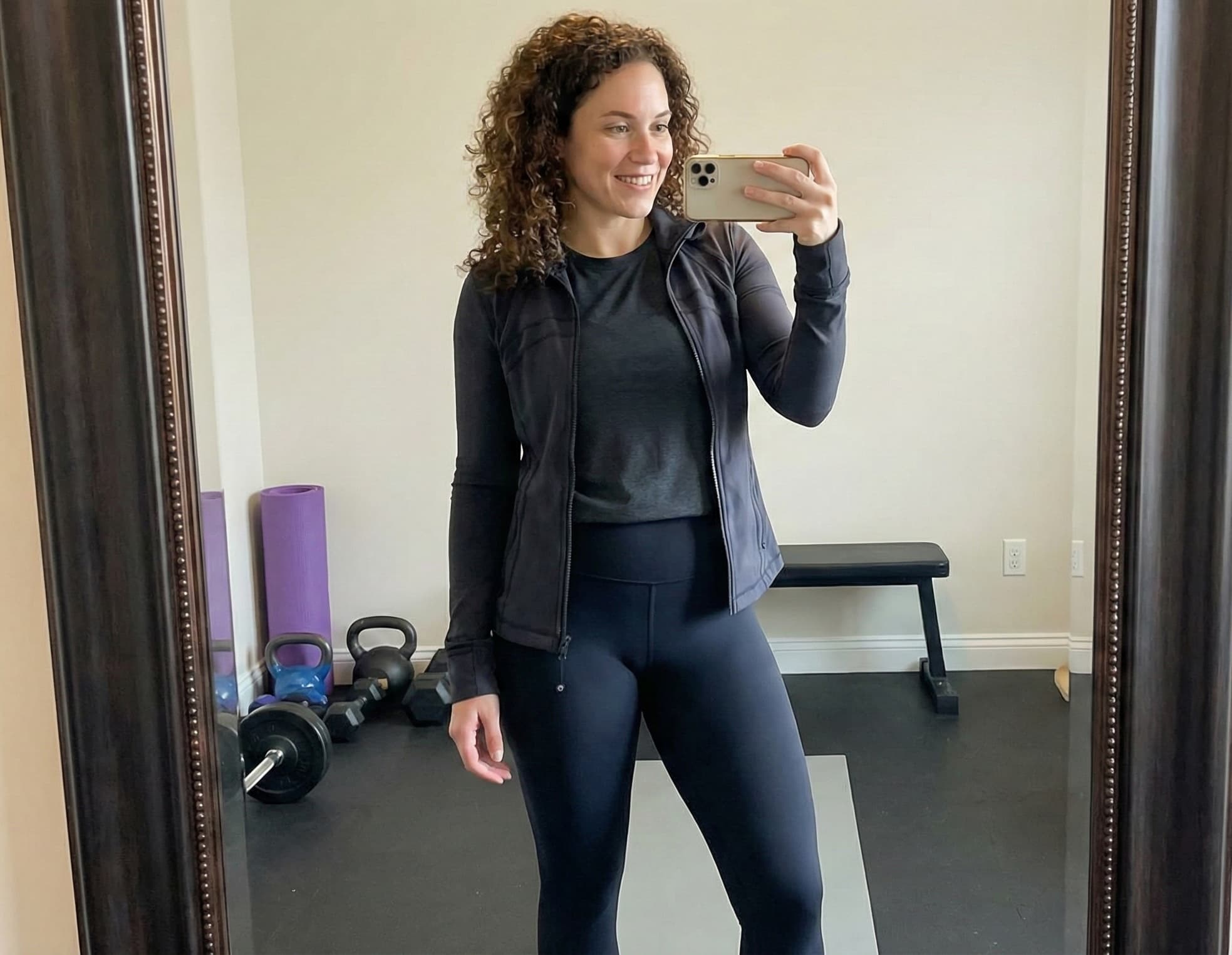
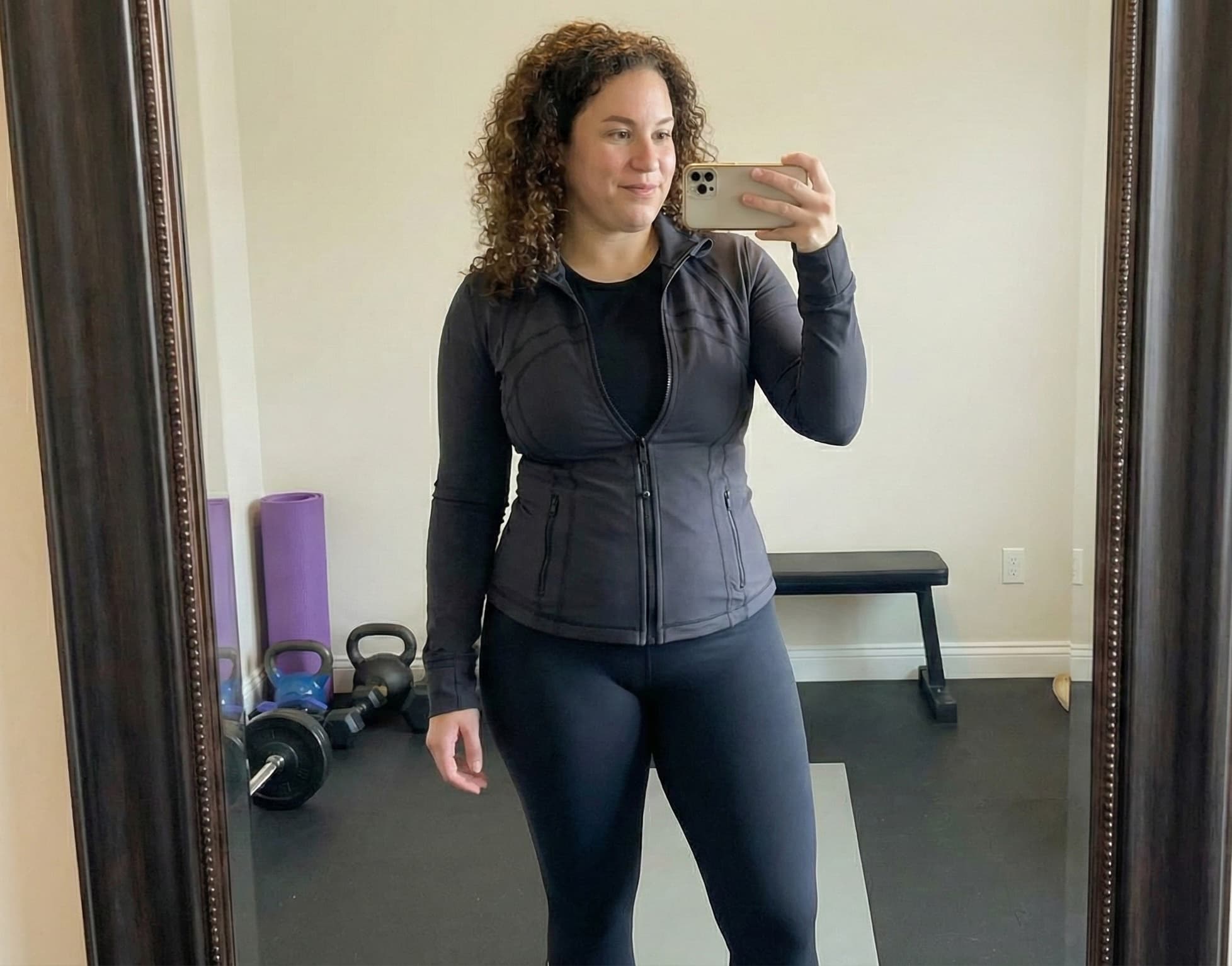
Let's talk about something most diet companies don't want you to know: 95% of people who lose weight on a diet gain it back within 1-5 years. Some gain back even more than they lost.
That's not a motivating statistic. It's a brutal one. But here's the important question: Is this because diets don't work, or because the way we approach diets is fundamentally broken?
The Problem With "Dieting"
Think about the word "diet." When most people hear it, they think: restriction, sacrifice, temporary suffering in exchange for results. You go "on" a diet, which implies there's an endpoint where you go "off" it.
That's the problem right there.
A diet is treated like a short-term fix for a long-term problem. You eat 1200 calories a day for 3 months, lose 25 pounds, then go back to eating the way you did before. What happens? The weight comes back. Every single time.
The diet didn't fail because it didn't work. It failed because it was never designed to be sustainable.
Why Diets Are Built to Fail
1. They're Too Restrictive
Most diets rely on extreme restriction: no carbs, no sugar, no eating after 6pm, no enjoying food ever again. You follow the rules perfectly for a while, then life happens. You go to a party. You have a stressful week. You eat something "forbidden."
Instead of recovering and moving on, you feel like you've failed. The perfectionism required by the diet becomes its own downfall. One slip turns into a spiral.
2. They Ignore Your Actual Life
Diets are designed in a vacuum. They assume you have unlimited time to meal prep, unlimited willpower to resist temptation, and a life free from stress, travel, and social events.
Real life is messier. A diet that requires you to cook every meal from scratch won't work if you're working 60-hour weeks. A diet that bans all desserts won't work if your family has birthday parties every month. The diet doesn't fit your life, so your life eventually wins.
3. They Focus Only on Weight, Not Habits
The goal of most diets is to lose weight as fast as possible. But weight loss without habit change is temporary. When the diet ends, you go back to the habits that caused the weight gain in the first place.
This is why people can lose the same 20 pounds five different times. They never addressed the underlying behaviors.
What Actually Works: The Mindset Shift
If diets don't work, what does? The answer is simple but uncomfortable: permanent habit change.
You don't need a diet. You need to change how you eat, move, and think about food—permanently. Not for 12 weeks. Not until you hit your goal weight. Forever.
That sounds daunting. But here's the thing: sustainable habit change doesn't look like a diet. It looks like small, incremental adjustments that you can maintain for the rest of your life.
The Sustainable Weight Loss Framework
1. Start Small
Don't overhaul your entire life overnight. Pick one habit to change. Maybe it's eating protein at breakfast. Maybe it's walking 10 minutes a day. Maybe it's drinking water instead of soda.
Master that one habit. Once it's automatic, add another. This is slower than a crash diet, but it actually sticks.
2. Make It Non-Negotiable (But Flexible)
The habit needs to be consistent, but it can't be rigid. "I work out 4 times a week" is non-negotiable. But which 4 days, what type of workout, and how long? That's flexible.
Flexibility prevents the all-or-nothing spiral. If you miss Monday's workout, you do it Tuesday. If you can't do an hour, you do 20 minutes. Progress over perfection.
3. Build in Foods You Enjoy
If your eating plan doesn't include foods you actually like, you won't stick with it. You don't have to eat chicken, rice, and broccoli every day. You don't have to give up dessert forever.
The goal is to find a balance: eating mostly nutrient-dense foods that fuel your body, while still enjoying treats occasionally. This is sustainable. Restriction is not.
4. Focus on Behavior, Not Just Outcomes
The scale will fluctuate. Some weeks you'll lose 2 pounds, some weeks you'll gain 1. This is normal. If you only measure success by the number on the scale, you'll feel like a failure half the time.
Instead, measure success by your actions. Did you hit your protein target? Did you work out 4 times? Did you get enough sleep? If yes, you're succeeding—even if the scale didn't move this week.
The Role of Visualization
Here's where seeing your goal body becomes critical. When you're making sustainable habit changes, progress is slow. It's easy to lose motivation when you can't see results yet.
But if you've visualized your end goal—if you have a clear, realistic image of what you're working toward—you have something to anchor to. On the hard days, you remember why you're doing this. The goal stays real even when progress feels invisible.
Why This Works When Diets Don't
Diets fail because they're temporary. Habit change works because it's permanent. You're not suffering through a restrictive plan until you hit a number—you're building a lifestyle that naturally results in weight loss and maintenance.
It's slower. It's less dramatic. But it's the only thing that actually lasts.
You don't need another diet. You need a clear picture of where you're going, and a sustainable plan to get there. See the destination. Build the habits. Stick with it long enough to make it permanent.
That's how you win.
Ready to see your own transformation?
Upload your photo and let our AI show you what's possible. It takes less than a minute.
Visualize My Weight Loss Now